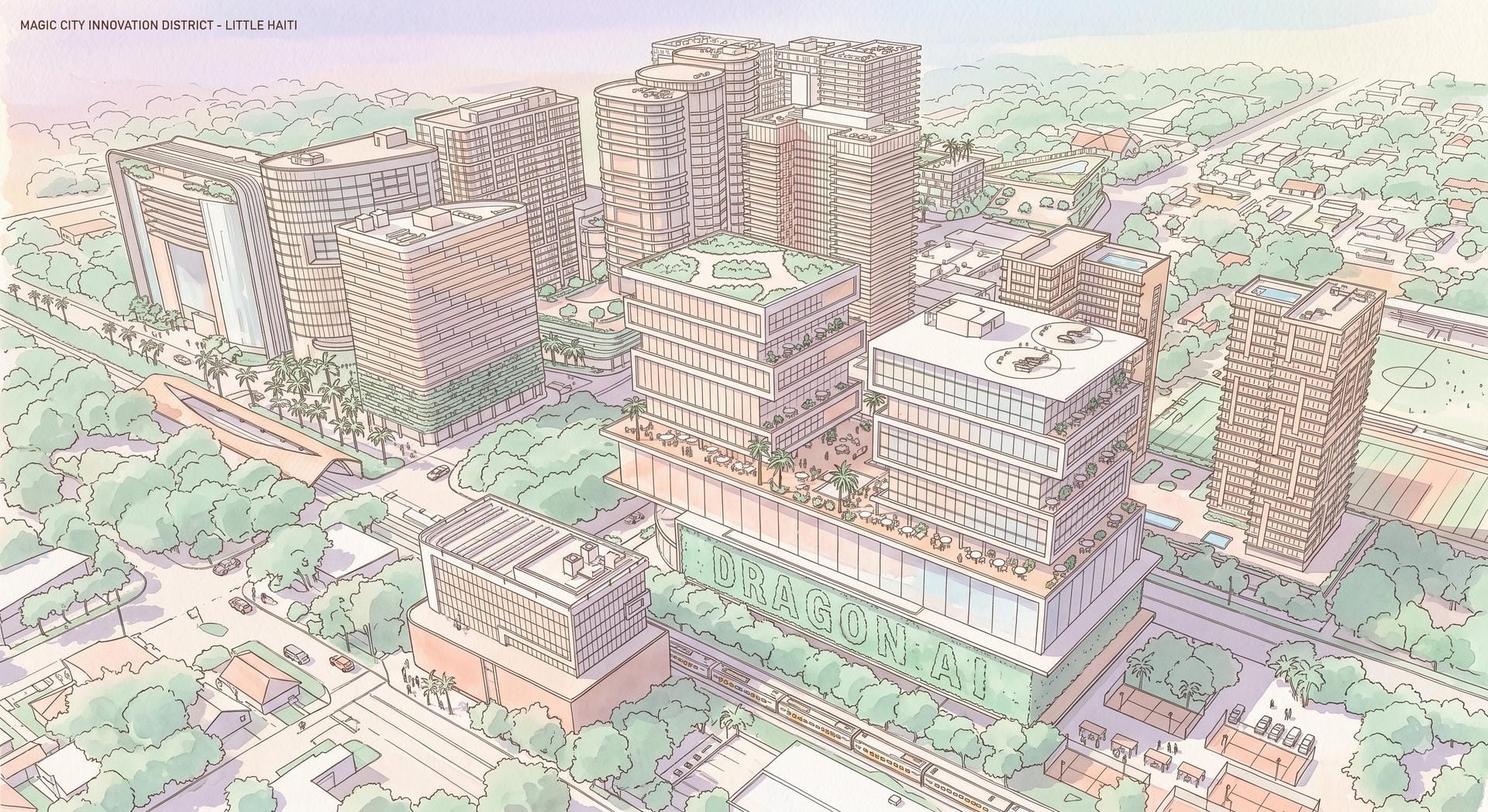
Fifteen moments that shaped how Little River is built, zoned, and occupied today.
Pre-1800s
Tequesta settlement and first European contact
The Tequesta people settled along the Little River near a natural spring and shell mound in present-day El Portal, and lived there for decades alongside a short-lived 1567 mission established by Spanish Jesuits and French Huguenot refugees.
1860s–1880s
Post-Civil War settlers and the founding of Lemon City
After the Civil War, Bahamian immigrants and other settlers squatted on land near Biscayne Bay north of the Miami River, forming a community that was renamed Lemon City by 1893, complete with a school, businesses, a newspaper, and a small port, predating the city of Miami itself.
1896
Miami incorporates, Lemon City is overshadowed
The Florida East Coast Railway's 1896 arrival in Miami spurred the city's incorporation, and Miami quickly overshadowed Lemon City and the surrounding Little River settlement as the region's commercial center.
1903
Charles Torrey Simpson settles at the river's mouth
Naturalist Charles Torrey Simpson retired from the Smithsonian Institution and bought land at the mouth of the Little River, building a home called "The Sentinels" and establishing what is considered Miami's first botanical garden.
1920s
Drainage, dredging, and the reshaping of the river
Miami-Dade's canal drainage projects of the late 1920s and 1930s dredged and channelized the once-seasonal Little River, permanently reshaping it into its current, more artificial course.
1925
Little River joins the City of Miami
The community of Little River was formally annexed into the City of Miami, becoming a city neighborhood while retaining its own name and identity.
1929
McArthur Dairy and the Little River Mission Club (Cathedral of St. Mary)
McArthur Dairy and the Little River Mission Club, later the Cathedral of St. Mary and seat of the Archdiocese of Miami, were both founded in 1929.
1980s
Haitian immigration and the naming of Little Haiti
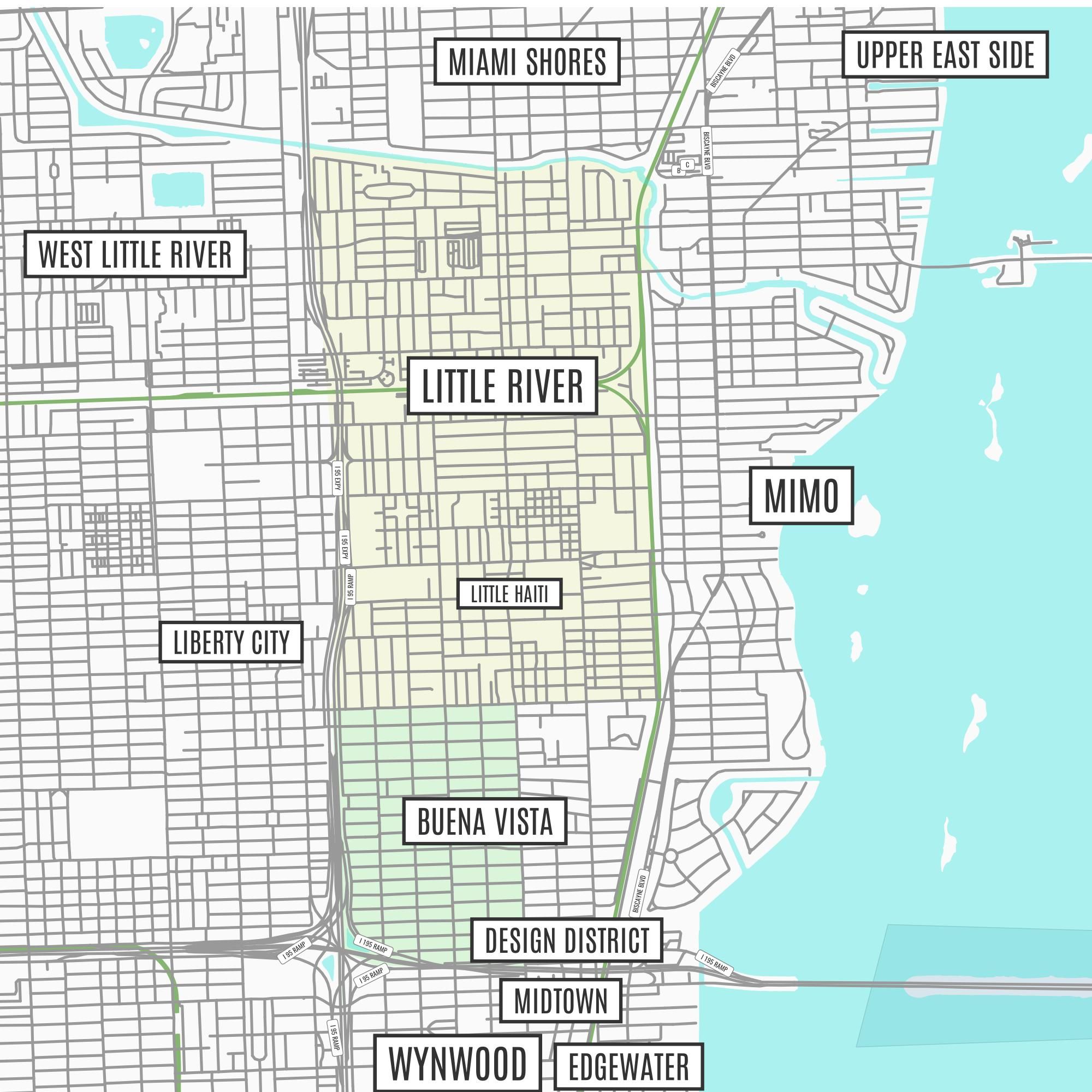
Waves of Haitian immigrants settled in the historic Lemon City and Little River area through the 1970s and 80s, and activist Viter Juste's Miami Herald phrase "Little Port-au-Prince" was shortened by editors into the name Little Haiti, which stuck.
2014
MVW Partners begins quiet assembly of the neighborhood
Local developers Matthew Vander Werff and Ashley Melisse Abess founded MVW Partners in 2014, betting early on Little River's overlooked warehouse stock, auto bays, and mid-century commercial buildings. Drawn to the area's intact street grid and adaptive-reuse potential, MVW spent the next several years quietly acquiring and repositioning industrial parcels, laying the groundwork for the district that would follow. At the time, Little River was still widely described as economically distressed, with shuttered storefronts and largely vacant warehouses.
2016
Little Haiti becomes an official Miami neighborhood
In May 2016, City of Miami commissioners voted to formally designate Little Haiti as an official neighborhood, with boundaries overlapping the historic Lemon City area, over objections from some historians, Bahamian-American, and African-American groups who felt the change erased earlier layers of the area's history.
2019
The Citadel and Oolite Arts put Little River on the map
Two milestones in early 2019 signaled that Little River was shifting from overlooked to watched. The Citadel, a warehouse-turned food hall, opened and quickly became an anchor for the neighborhood's dining scene. That same year, Oolite Arts (formerly ArtCenter/South Florida) announced it would relocate its headquarters to Little River, later commissioning a $30 million, Barozzi Veiga-designed campus, a strong signal that arts and cultural institutions saw long-term potential in the area, alongside Wynwood-adjacent nonprofits like Locust Projects.
2021
AJ Capital Partners takes a majority stake
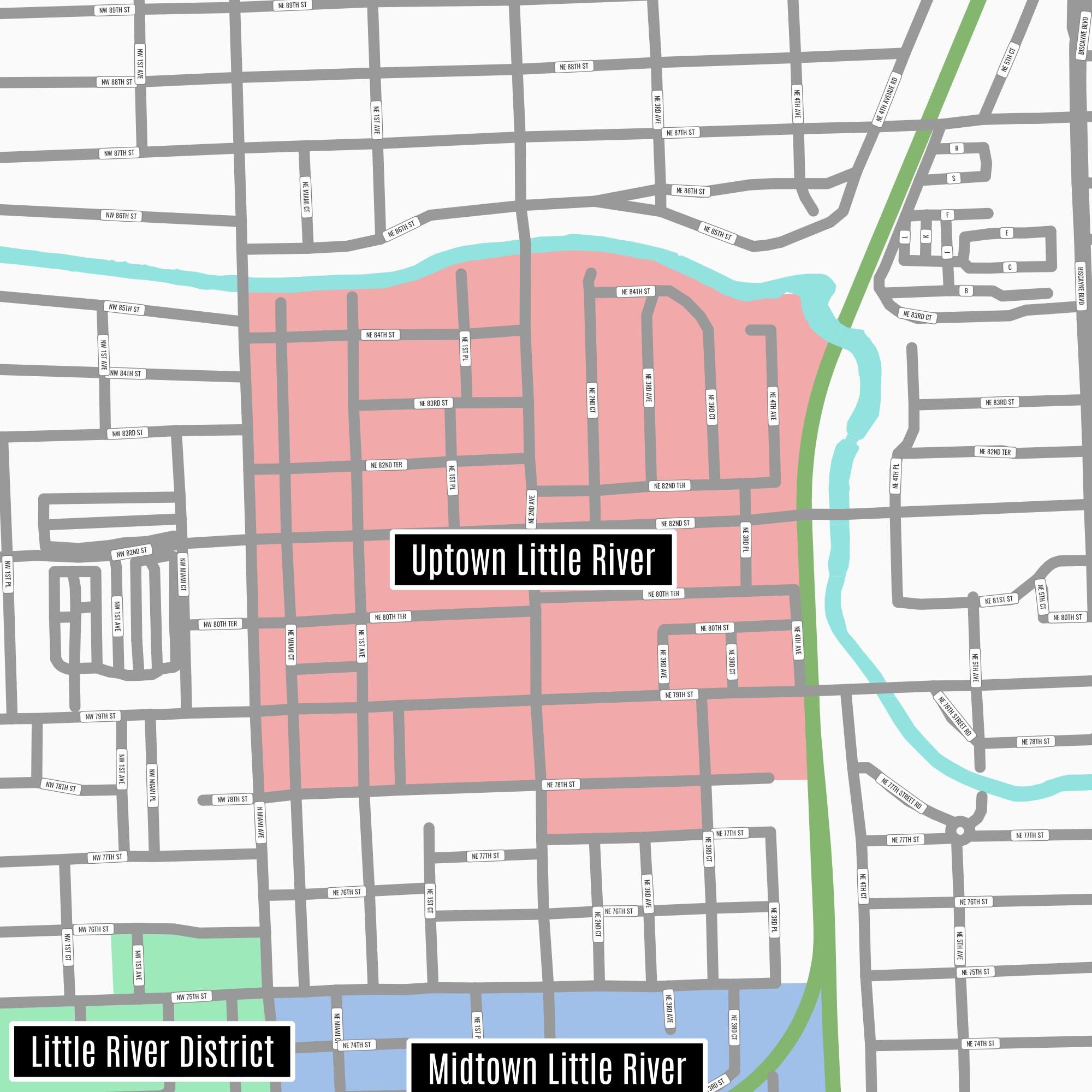
Chicago-based Adventurous Journeys (AJ) Capital Partners acquired a majority stake in Little River from MVW Partners in 2021, paying $79.9 million for roughly 24 acres, financed in part by a $67 million loan from City National Bank of Florida. MVW stayed on as local on-site partner. AJ Capital, known for transforming industrial neighborhoods elsewhere (including the building that became Chicago's Soho House), positioned Little River as adaptive-reuse, urban-infill development, explicitly comparing its trajectory to Wynwood's earlier transformation from warehouses to a major arts and retail district.
2022
Continued land assembly and a growing restaurant roster
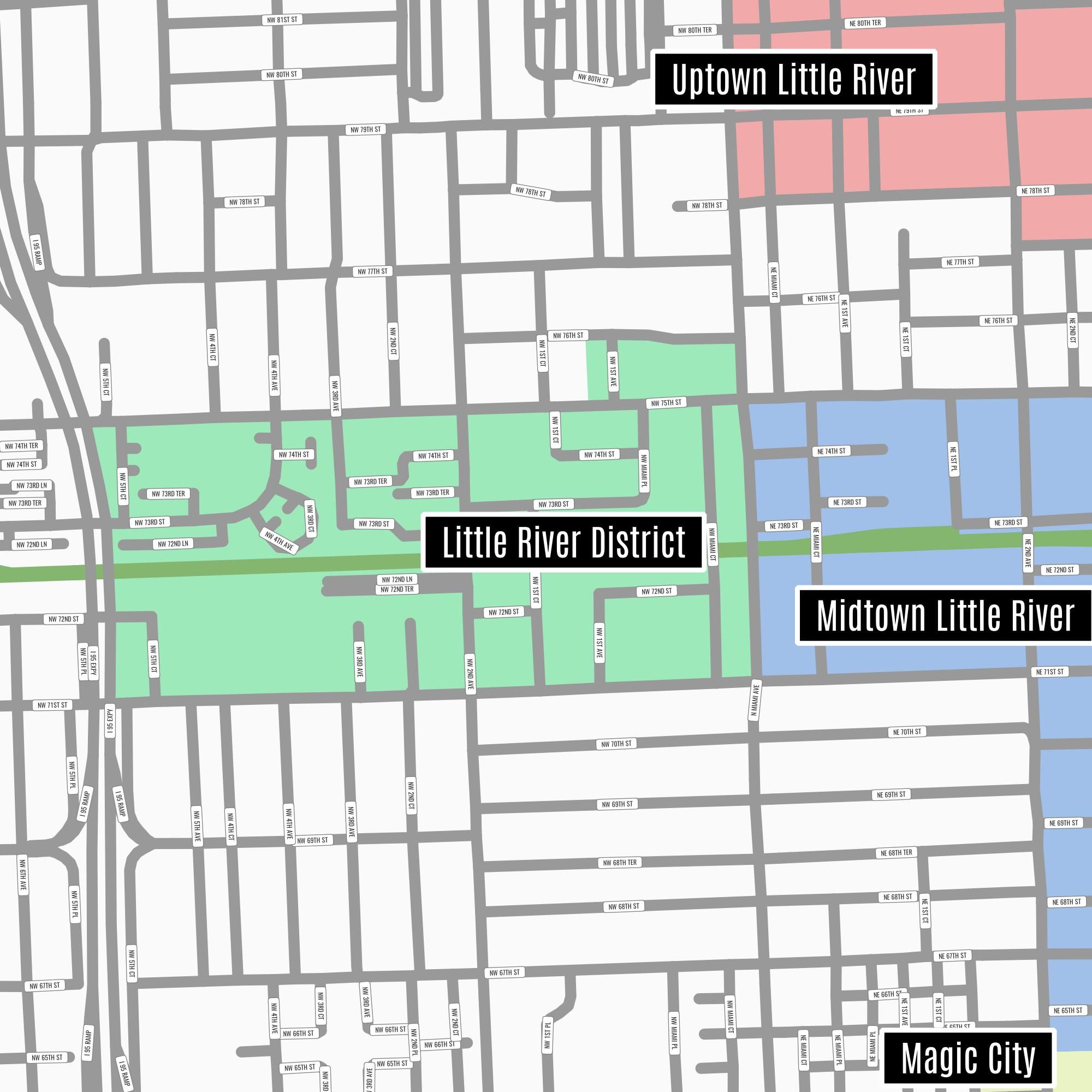
AJ Capital expanded its holdings further in early 2022, paying $17.3 million for additional parcels along NW 71st Street, backed by an additional $29 million loan. By this point the neighborhood's restaurant and retail cluster was drawing citywide and national attention (Forbes named it a "Neighborhood to Watch" in December 2022), anchored by chef-driven concepts such as Sunny's Steakhouse, La Natural, and Rosie's, several of which went on to earn Michelin recognition. AJ Capital's total footprint across Little River grew to roughly 24-27 acres of adaptive-reuse and infill sites.
April 2025
The Little River District wins final approval
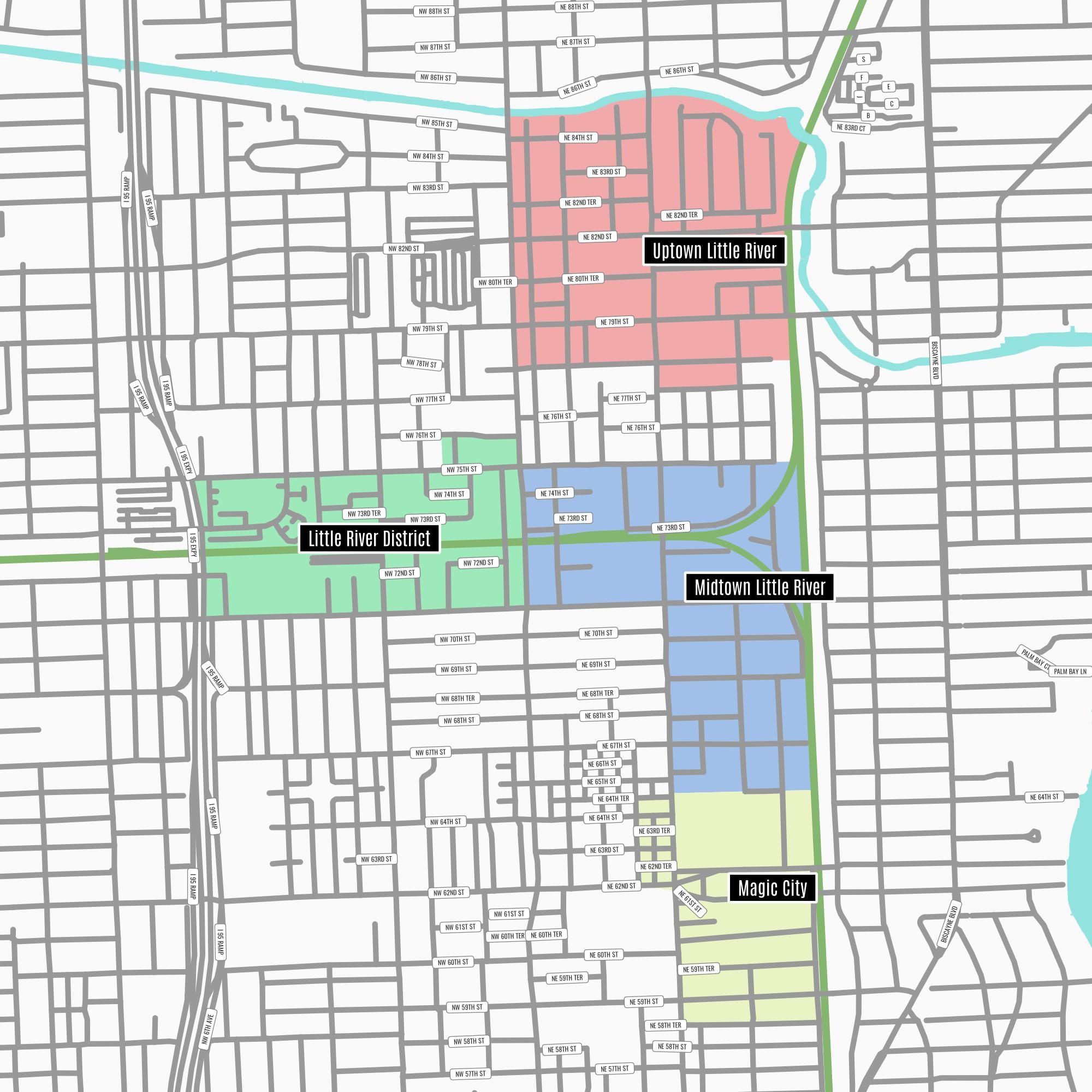
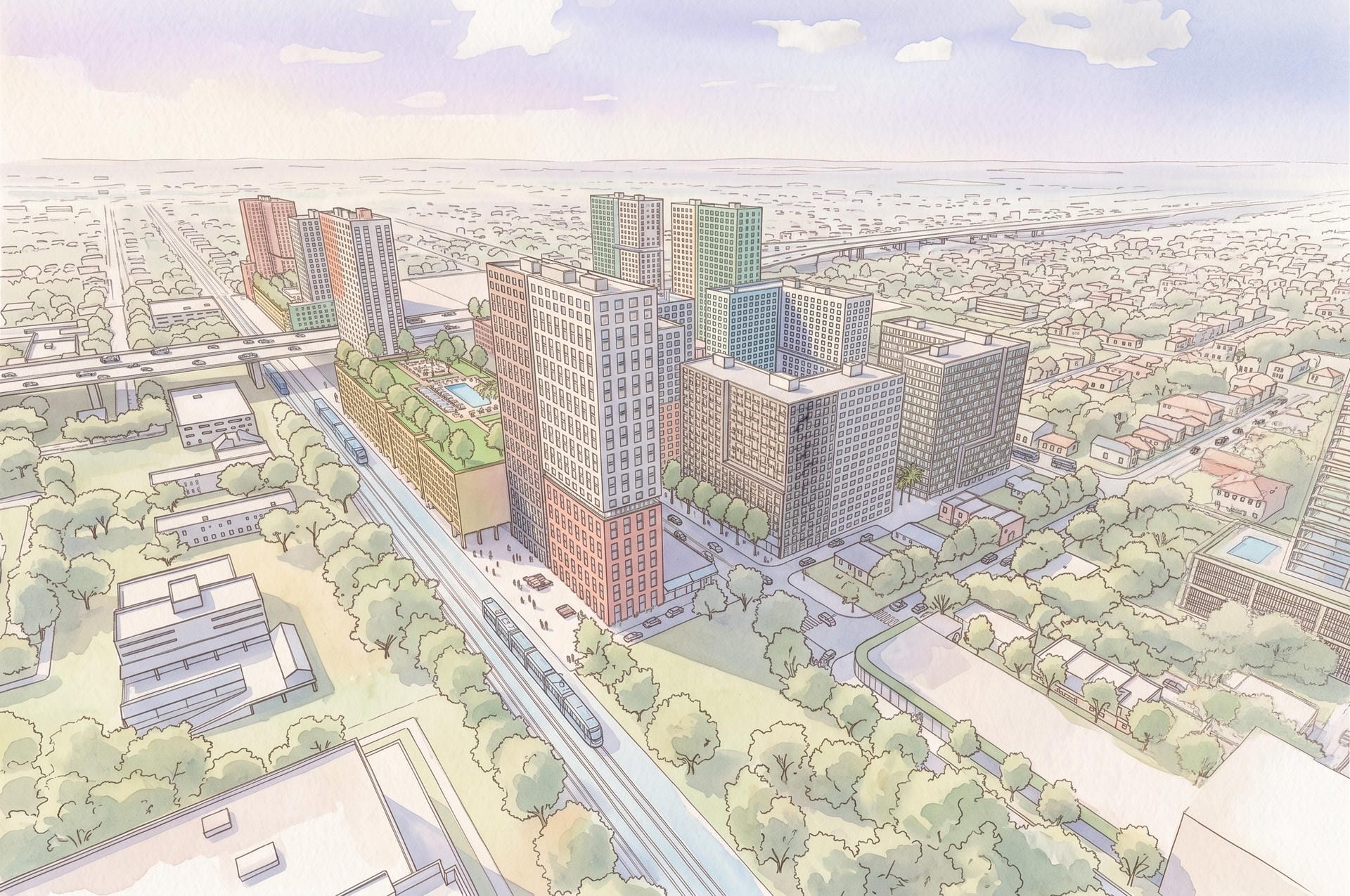
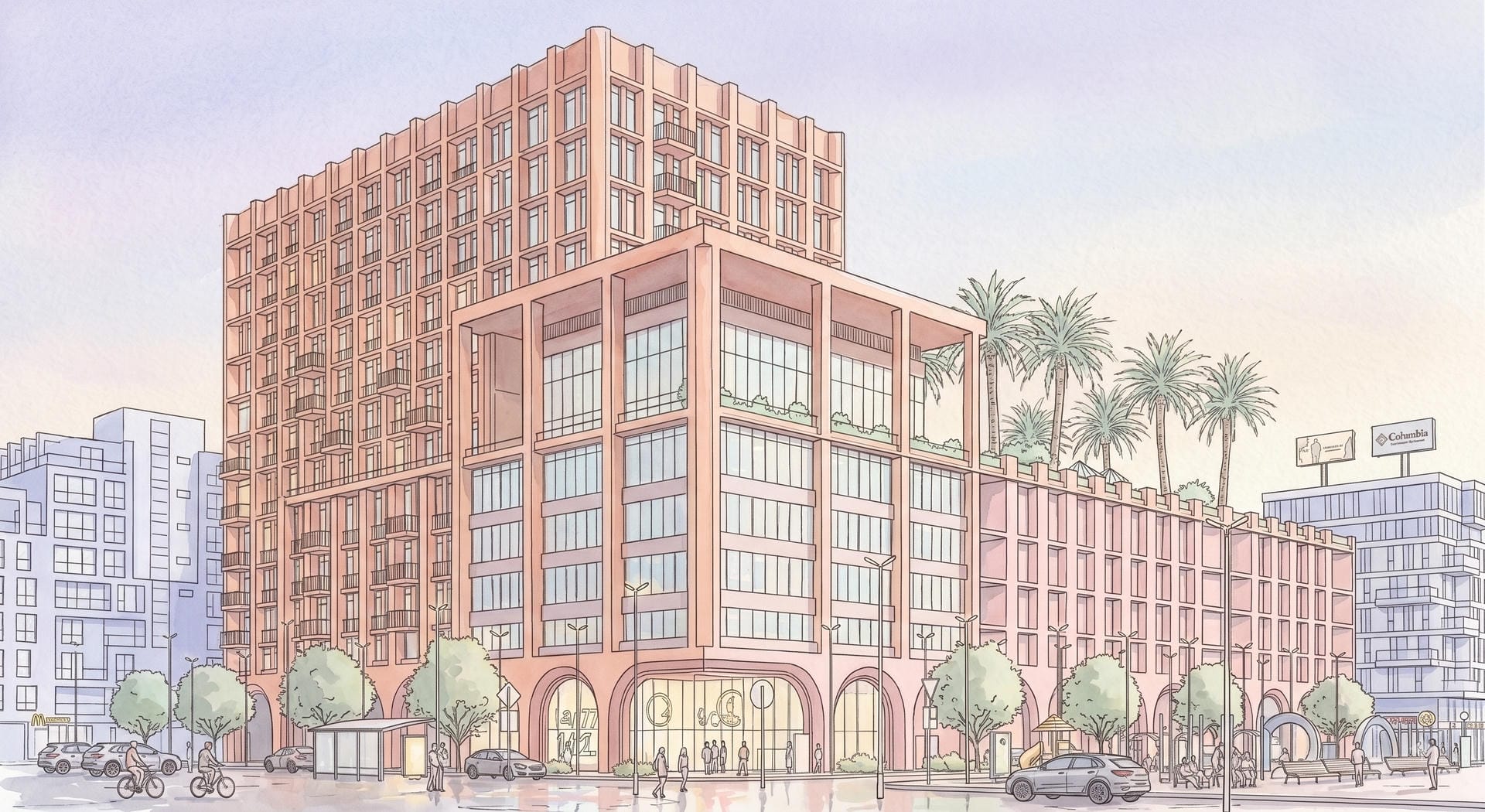
Momentum culminated on April 1, 2025, when the Miami-Dade County Commission unanimously approved the Little River District, a separate, much larger $3 billion redevelopment led by SG Holdings (a partnership of Swerdlow Group, SJM Partners, and Alben Duffie). Structured as a 99-year lease over 63 acres spanning both public housing sites and private parcels in Little River and Little Haiti, the plan calls for 5,730 multifamily units (with a significant affordable and workforce housing component, making it the largest such development in Miami-Dade County history), 370,000 square feet of retail anchored by The Home Depot and BJ's Wholesale Club, and a $35.4 million developer contribution toward a new Tri-Rail station.
2026
Two redevelopment tracks move toward construction
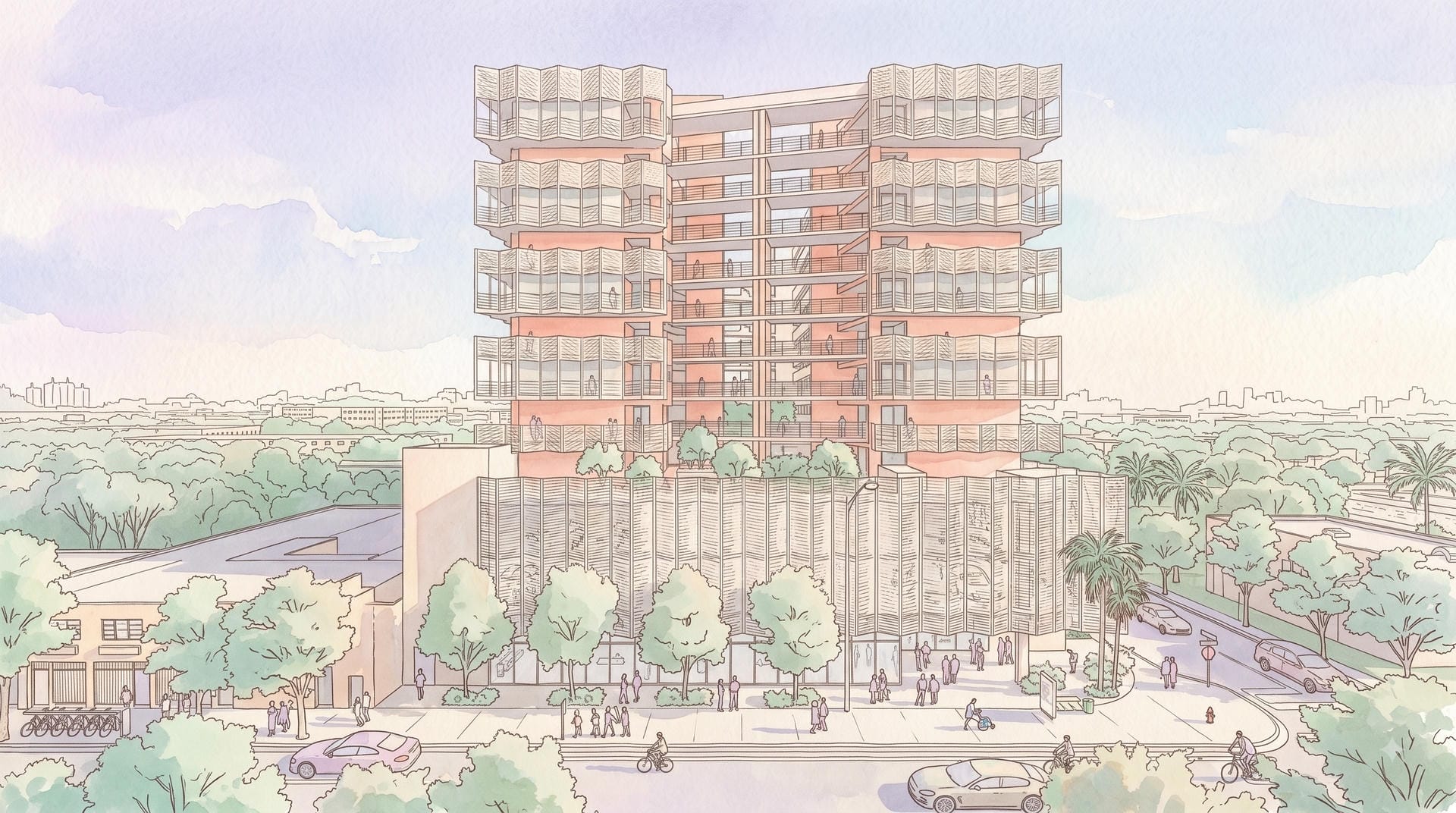
As of 2026, Little River is being reshaped by two parallel efforts: the AJ Capital/MVW Partners adaptive-reuse district, already delivering restaurants, galleries, and boutique commercial space (with Oolite Arts' new campus construction slated for mid-2026), and the much larger Little River District mega-project, targeting an eight-year build-out following its 2026 groundbreaking. Commercial property prices in the area have risen accordingly, and additional projects, including a 22-story Live Local Act residential tower at 7501-7553 NE 2nd Avenue with workforce housing set-asides, point to continued investor interest through the rest of the decade.